Three new research papers from the Flocks Project show that feeling connected to a scientific community may be key to reducing attrition, and that affinity groups can foster a sense of belonging within ornithology..
Since 2023, a collaborative team of ornithologists have sought to establish new paths for community building in their field through an initiative called the Flocks Project. As part of their work, they collected and analyzed data to understand what types of support will best promote a stronger, more inclusive field of ornithology.
The first publication from this work addresses a question many researchers are asking across the sciences: “why are so many scientists leaving their fields?”
Published in Biological Conservation, the paper suggests at least part of the answer may be surprisingly simple. Scientists who feel a stronger sense of belonging in their discipline are more likely to intend to stay. Those who feel they do not belong are more likely to consider leaving.
Most research on retaining scientists focuses on workplace climate or university environments. This study instead looked at belonging at the disciplinary level, asking whether people feel connected to their broader scientific community.
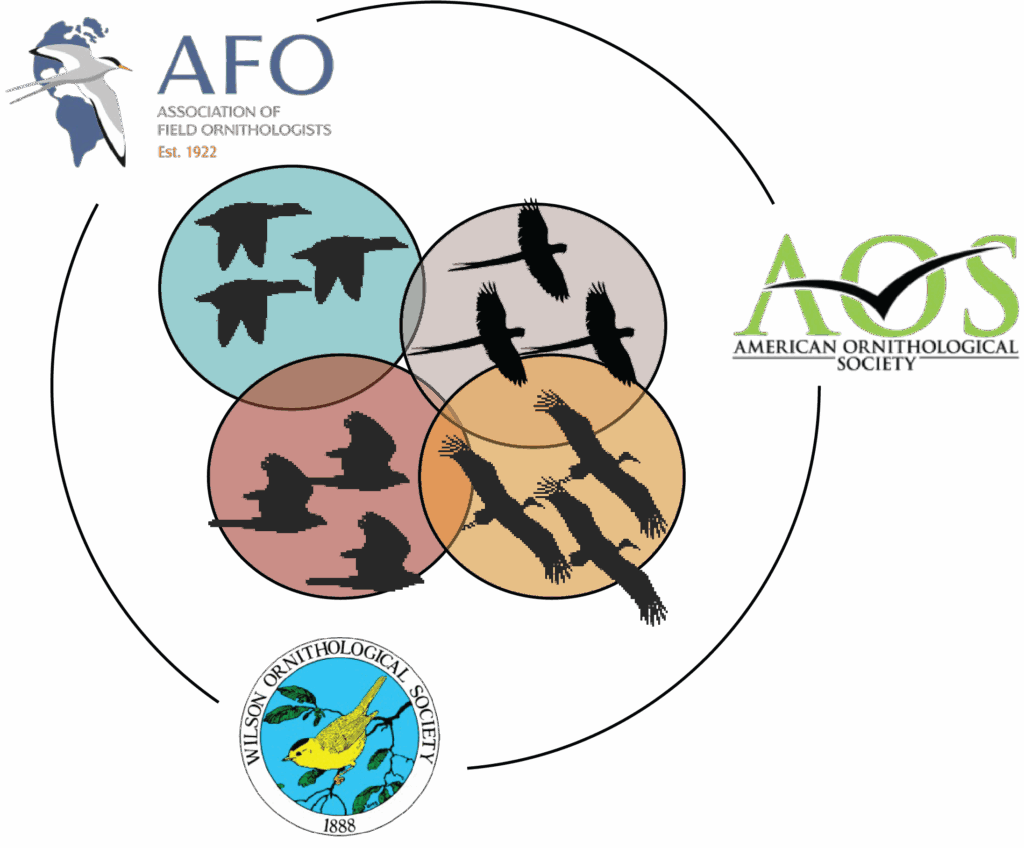
The study draws on survey data from members of three major ornithological societies: the Wilson Ornithological Society, the Association of Field Ornithologists, and the American Ornithological Society. Such professional societies operate independently of universities and employers, serving as hubs for networking, conferences, and collaboration. Analysis of survey results found a clear link between a member’s sense of belonging and their intention to persist in the field.
“We found that the lower someone’s sense of belonging in the discipline, the more likely they were to say they were considering leaving within the next five years,” said Nathan Thayer, a postdoctoral associate in the Department of Fish and Wildlife Conservation, lead author of the study, and member of the Dayer Lab.
“Where you work matters,” Thayer said. “But your discipline also matters. Many scientists build their strongest networks through professional societies. If they don’t feel like they belong in the field at large, that can influence whether they see a future there.”
The study also found disparities across demographic groups. Participants from historically marginalized or underrepresented communities reported lower senses of belonging and higher intentions to leave.
Ashley Dayer, a professor at Virginia Tech and a co-leader of the Flocks Project said professional societies are uniquely positioned to respond.
“These societies exist to bring people together around a shared scientific passion,” Dayer said. “If we want to retain talented scientists, we need to be intentional about building community in ways that help everyone feel welcome and supported.”
To that end, a second study that the team recently published in Ornithological Applications, demonstrates that there is strong support for affinity groups in ornithology, with nearly two-thirds of respondents (64%) to the survey indicating interest in joining one or more groups. This study also showed that members from marginalized communities reported significantly higher likelihood to benefit from affinity groups. The survey results also quantified the number of respondents who were interested in different types of affinity groups as well as the types of functions that respondents sought from such groups, encompassing different axes of identity including career stage, gender, ethnicity and race, disability and/or neurodiversity, and others.
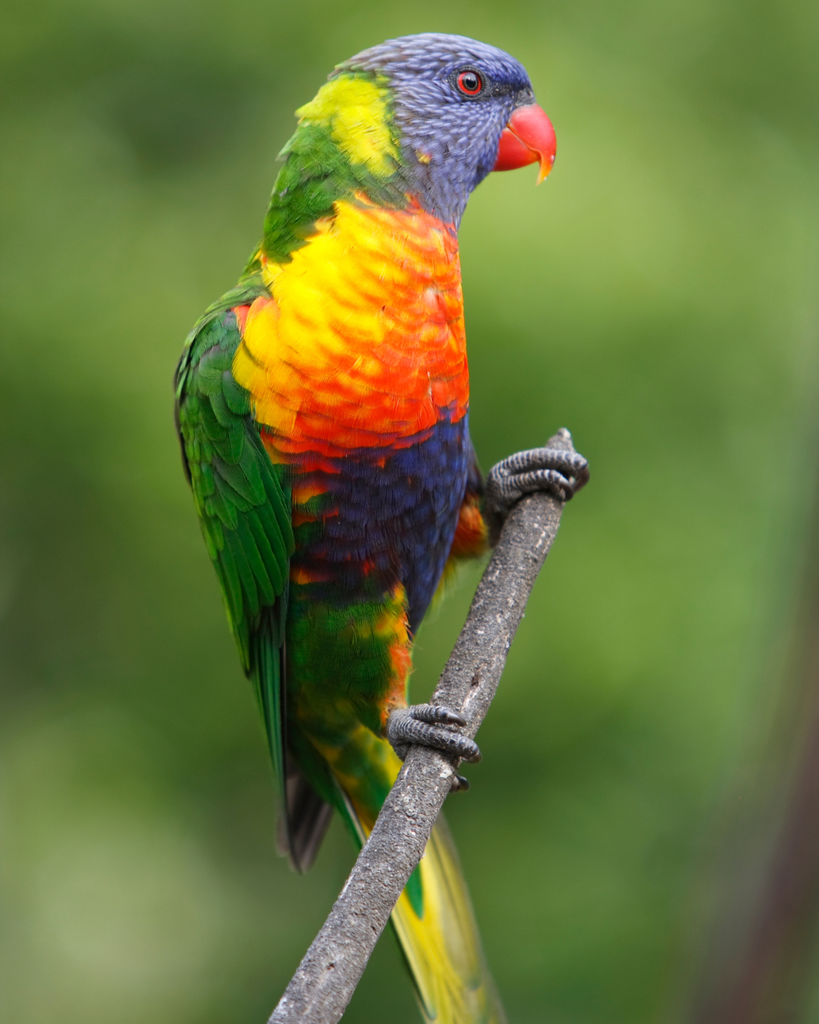
Finally, a third study that the team published in Equality, Diversity and Inclusion: An International Journal, provides more qualitative data for how affinity groups may pave a path towards increasing a sense of belonging and support within professional societies. This study brought together members of the Rainbow Lorikeets, a group within the American Ornithological Society that acts as a committee or caucus representing members of the Queer community, to hear their perspectives.
In 2023, at the time the focus groups with members were conducted, Rainbow Lorikeets was the only group functioning like what we now call Flocks in ornithological societies. Participants described multiple benefits, such as feeling connected to a community within the discipline, having a space where they feel safe to be themselves, finding support in challenging times, and raising the visibility of the community within the discipline.
Kristen Covino, a professor at Loyola Marymount University and part of the leadership team of the Flocks Project, is also a long-time member and past leader of the Rainbow Lorikeets. “As someone who has personally benefited from participating in an affinity group, I understand the value of having a space where individuals can connect through shared experiences, build meaningful relationships, and feel a stronger sense of community,” Covino said. “I am proud to contribute to efforts that help create those opportunities for others.”
Through these studies, the Flocks Project team also identified potential challenges and considerations in forming affinity groups, such as preventing potential ‘siloing’ effects among Flocks or burnout by leaders, as well as potential barriers to participation.
Dai Shizuka, a professor at University of Nebraska-Lincoln and a co-leader of the Flocks Project team, said that these data were carefully considered in the subsequent year-long design and co-creation process that ultimately established the initial cohort of six “Flocks”, which ultimately launched in the summer of 2025. Shizuka says, “This project does not exist without the hard work of all the participants in the co-creation process and the many leaders that have stepped up to start these Flocks. We try to value their time and energy by making this project as effective as possible.”
The Flocks Project was initially funded by the National Science Foundation and is continuing to be supported by the collaborating ornithological societies and individual donors. The project is a broader collaboration aimed at strengthening community within ornithology. People are welcome to join the Flocks through forms available on the website (https://www.flocksproject.org/home) or at Flocks events at the meetings of participating ornithological societies. Those who want to support the Flocks Project are encouraged to contribute to the ongoing fundraising efforts that began last year (https://www.gofundme.com/f/flocks-for-ornithologists).
For Shizuka, the takeaway is clear: community-building is not secondary to science. It is imperative to sustain it. “I think many people come to ornithology because they love the study of birds. But they are much more likely to stay if they feel part of a community. So our goal is to create new opportunities for everyone who wants to study birds to find a community within ornithology where they can be their whole selves.”
Original studies:
DOI:10.1016/j.biocon.2026.111767
DOI: 10.1093/ornithapp/duag066
Open-access accepted version of the Biological Conservation article available via VTechWorks Archives: https://hdl.handle.net/10919/142389
Open-access accepted versions of the Equality, Diversity, and Inclusion article available via VTechWorks Archives: https://vtechworks.lib.vt.edu/items/498ce1d8-0212-4882-9c9c-b49b37a3f907
Header photo: Mixed flock of ducks by Fusaromike | Getty Images.